
Writing and Grief
The FriendThis flow traces competing beliefs about whether writing can console, explain, preserve, or distort personal loss.
increasing Bearing strength in each event
 decreasing
Bearing strength in each eventdecreasingAn Epigraph Against Consolation
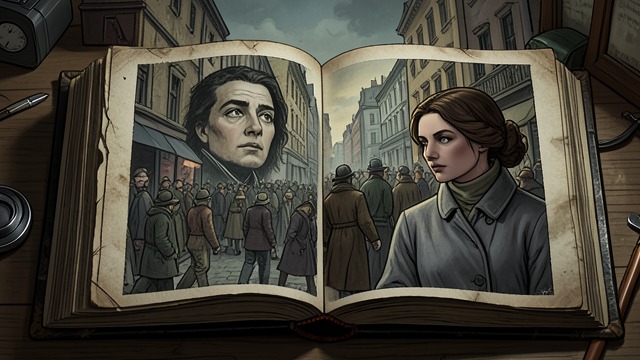
An Epigraph Against Consolation
A warning about grief
The book opens with Natalia Ginzburg’s claim that writing cannot console a person for grief. The line frames the Narrator’s work as an attempted account that may not heal her.
A question rather than a rule
The book later places this claim beside writers who believed sorrow could be made bearable through stories. The tension prevents any easy conclusion that writing either cures or fails uniformly.
Other Writers’ Testimony
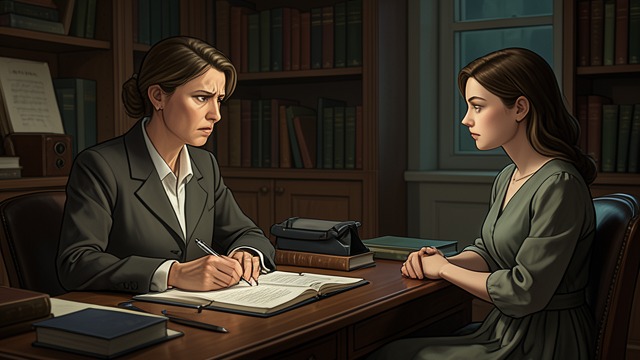
Other Writers’ Testimony
Catharsis and composition
Virginia Woolf describes writing about her mother as an act that ended a long obsession. Isak Dinesen, by contrast, believes sorrow can become bearable through storytelling.
No universal method
The examples offer different outcomes rather than a single prescription. The Narrator asks whether consolation depends on literary quality and whether the writer’s relief matters if the book is not good.
The Workshop’s Evidence
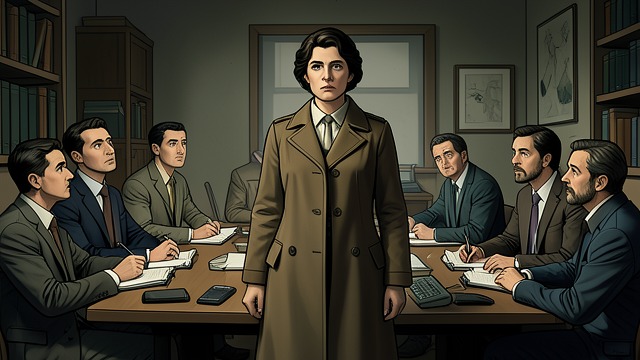
The Workshop’s Evidence
Writing as a possible resource
Some survivors believe writing helped them live, while others resist journaling or destroy what they write. The workshop makes clear that the practice does not work identically for everyone.
Help without a cure
Writing may offer expression, but it cannot undo abuse or promise understanding. The Narrator’s experience challenges the assumption that every traumatic story should be written and shared.
The Failed Draft
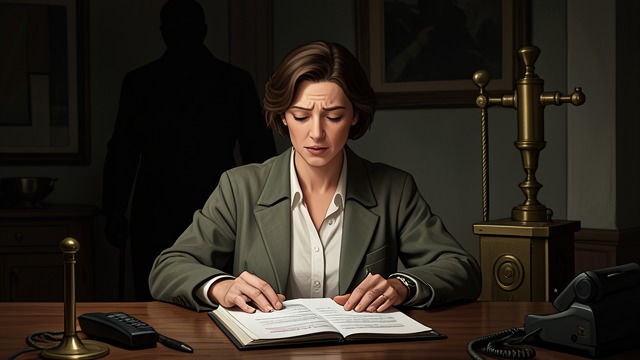
The Failed Draft
Words that will not come
The Narrator attempts to describe a survivor and finds the act nauseating. She cannot make the details into a clean narrative without feeling that she is using the people involved.
Writing’s limited power
She doubts that composition will help her understand evil or improve the victims’ lives. The failed draft gives substance to the book’s question about whether writing can do more than transform experience into a product.
A Story Still Written
A Story Still Written
The contradiction remains
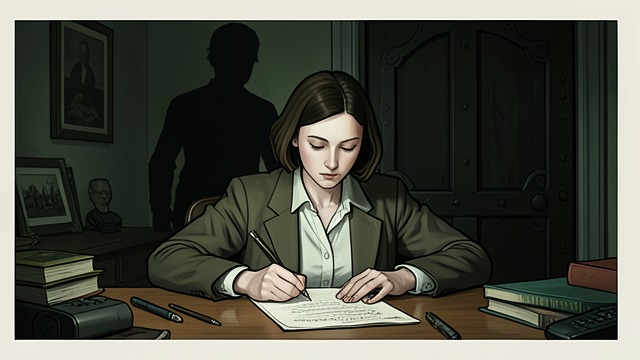
The Narrator writes about grief even after acknowledging that writing may preserve only the memory of writing. She cannot be certain whether the account protects the Deceased Friend’s memory or obscures it.
A partial answer
The act of writing does not restore the dead or end the Narrator’s grief. It gives form to questions and allows her to continue without pretending that form equals consolation.
At the beginning of the book
During the Narrator’s reflections on writing
During the trafficking-survivor workshop
During the contracted project
Near the end of the book
